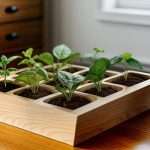
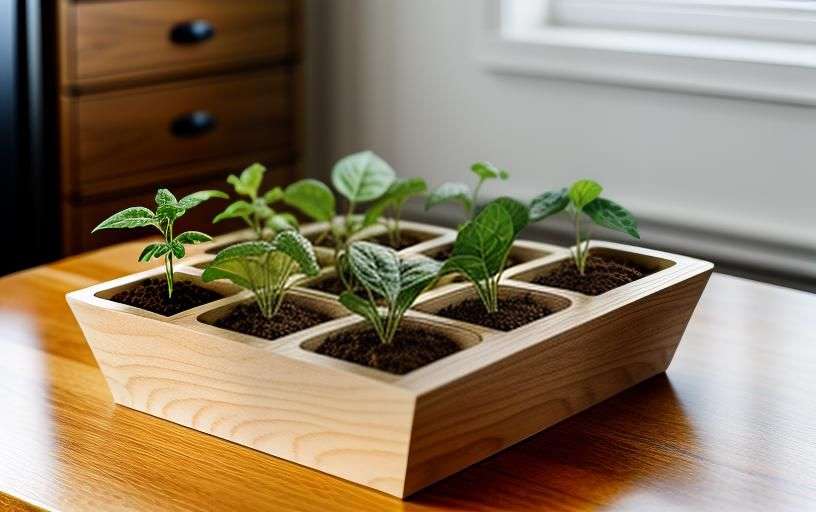
Starting vegetable seeds indoors is one of the best ways to get a head start on the growing season. It allows for better control over growing conditions, improves germination rates, and ensures that plants are strong and healthy before transplanting. Whether you are a home gardener or a commercial grower, understanding the right techniques for seed starting can make a significant difference in yield and plant quality.
This guide will cover everything from choosing the right seeds to providing the best conditions for seedling growth, along with common mistakes to avoid.
Create a robust local economy
1. Why Start Seeds Indoors?
Starting seeds indoors offers several key advantages that can improve gardening success:
Earlier Harvests
Plants started indoors are ready for transplanting when the weather warms, leading to earlier production.
Healthier Transplants
Controlled conditions indoors allow seedlings to develop stronger root systems and healthier stems.
Extended Growing Seasons
In regions with short growing seasons, starting seeds early indoors ensures a full harvest.
Higher Germination Rates
Indoor seed starting provides consistent moisture, warmth, and light, improving germination success.
Owner Perks
2. Choosing the Right Seeds for Indoor Starting
Starting seeds indoors offers several key advantages that can improve gardening success:
Not all vegetable crops need to be started indoors. Some thrive when directly sown outdoors, while others benefit from an early indoor start.
Best Vegetables to Start Indoors:
- Tomatoes – Require a long growing season and benefit from early indoor growth.
- Peppers – Need warm conditions and can take longer to germinate.
- Lettuce and Leafy Greens – Grow well in controlled indoor environments.
- Cucumbers and Melons – Can be started indoors for earlier yields but require careful handling during transplanting.
- Brassicas (Broccoli, Cauliflower, Cabbage) – Establish stronger roots when started indoors.
Vegetables Best Sown Directly Outdoors:
- Carrots and Beets – Root crops perform best when sown directly into garden soil.
- Beans and Peas – Sensitive to transplanting and establish better when directly seeded.
- Corn – Prefers direct sowing as it does not transplant well.
3. Essential Supplies for Indoor Seed Starting
To successfully start seeds indoors, it is important to have the right materials.
To successfully start seeds indoors, it is important to have the right materials.
- Seed Trays and Containers: Use cell trays, biodegradable pots, or seedling flats for easy transplantation.
- High-Quality Potting Mix: Avoid using garden soil, as it may contain pathogens. A light, well-draining seed-starting mix works best.
- Grow Lights or a Sunny Window: Most seedlings require 12 to 16 hours of light per day. LED or fluorescent grow lights can provide consistent lighting.
- Heat Mat (Optional): A heat mat can speed up germination, especially for warm-season crops like tomatoes and peppers.
- Watering System: Keep the soil moist but not saturated to prevent issues like damping-off disease.
FAQ
Step-by-Step Process for Starting Seeds Indoors
1. Fill Seed Trays with Soil:
2. Plant Seeds at the Correct Depth:
3. Provide Light and Warmth:
4. Keep Soil Moist:
5. Transplant When Ready:
Common Mistakes to Avoid
• Insufficient Light: Causes seedlings to become weak and leggy.
• Planting Too Early: Results in overgrown seedlings before transplant time.
• Skipping Hardening Off: Sudden exposure to outdoor conditions can shock plants.