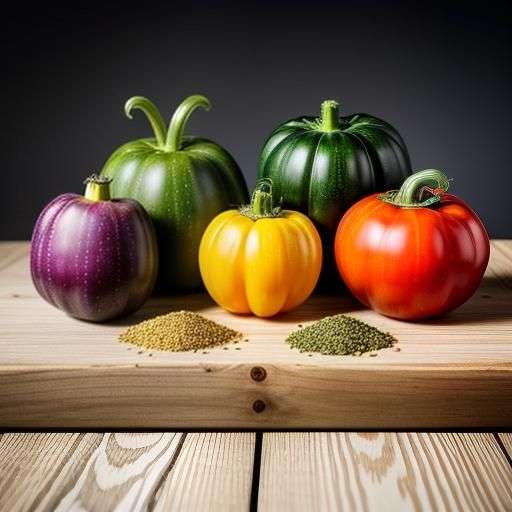
Choosing the right type of vegetable seeds can significantly impact the success of a garden or farm. One of the most common questions among growers is whether to plant hybrid or heirloom seeds. Both options offer unique benefits, but they cater to different farming and gardening needs.
This blog explores the differences between hybrid and heirloom seeds, their advantages and disadvantages, and how to choose the best option for your growing goals.

Create a robust local economy
1. What Are Hybrid Seeds?
Hybrid seeds are developed through the controlled cross-pollination of two parent plants with specific desirable traits. The goal is to produce offspring that exhibit superior characteristics, such as higher yields, improved disease resistance, and uniform growth.
Advantages of Hybrid Seeds:
- Higher Yields: Bred to produce more food per plant.
- Disease and Pest Resistance: Engineered to withstand common plant diseases.
- Uniform Growth: Plants are more consistent in size, shape, and maturity time
Disadvantages of Hybrid Seeds:
- Cannot Be Saved: Hybrid seeds do not produce true-to-type offspring, requiring new seed purchases each season.
- Higher Cost: Due to controlled breeding, hybrid seeds can be more expensive than open-pollinated seeds.
Owner Perks
2. What Are Heirloom Seeds?
Heirloom seeds are open-pollinated varieties that have been passed down for generations, usually over 50 years or more. They are valued for their unique flavors, diversity, and ability to be saved and replanted year after year.
Advantages of Heirloom Seeds:
• Better Flavor and Diversity: Many heirloom varieties have superior taste and distinct characteristics.
• Seed Saving: Farmers and gardeners can collect and replant heirloom seeds season after season.
• Genetic Diversity: These seeds adapt well to local climates and growing conditions.
Disadvantages of Heirloom Seeds:
• Less Uniformity: Plants may have variable growth and ripening times.
• Lower Disease Resistance: Heirlooms are not bred for modern disease resistance and may require more careful management.
3. Which Type of Seed Is Right for You?
The choice between hybrid and heirloom seeds depends on the specific needs of a grower.
• Commercial Farmers and Large-Scale Growers: Hybrid seeds are recommended due to their higher yields, uniformity, and disease resistance.
• Home Gardeners and Organic Growers: Heirloom seeds are a great choice for unique flavors, seed-saving, and genetic diversity.
• Market Growers and Specialty Farms: A mix of hybrid and heirloom varieties can help balance productivity and diversity.
4. Devonian Seeds’ Approach to Seed Quality
At Devonian Seeds, we offer both hybrid and heirloom seed varieties to ensure growers have access to the best genetics for their needs. Our breeding programs focus on developing high-performing hybrids while preserving the rich diversity of traditional heirloom varieties.
By offering scientifically refined seeds alongside classic, time-tested varieties, we provide farmers and gardeners with a wide selection of reliable options for their crops.
Understanding the differences between hybrid and heirloom seeds allows growers to make informed choices that align with their goals.
Both seed types have distinct benefits, and selecting the right one depends on factors such as production scale, sustainability goals, and personal preferences.
For a diverse selection of high-quality hybrid and heirloom seeds, explore Devonian Seeds’ premium seed catalog.